
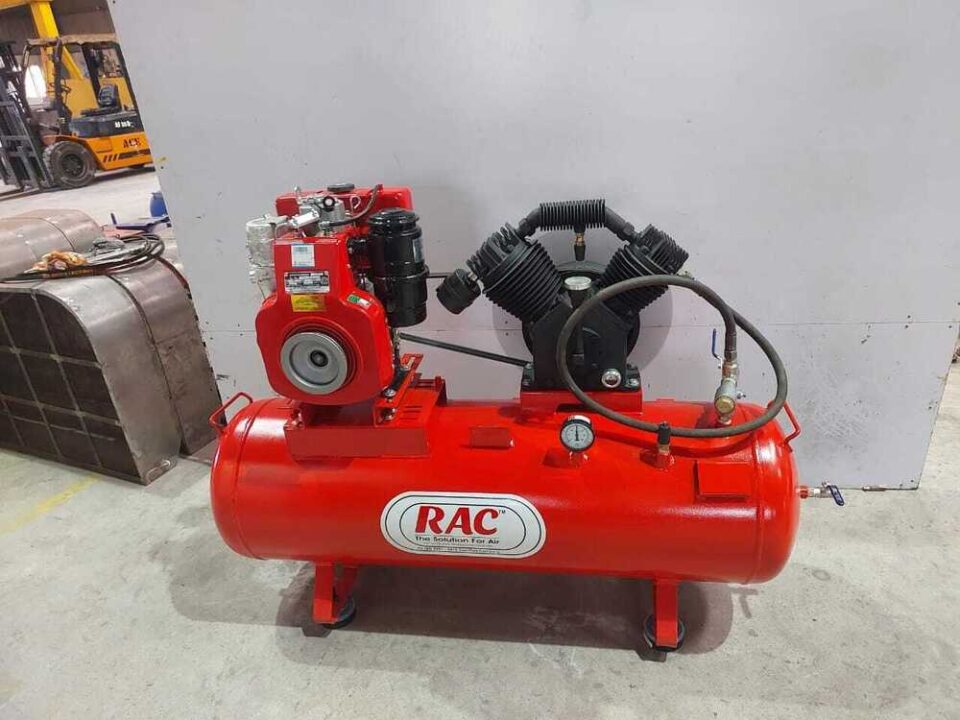
Introduction
Air compressors are among the most important pieces of equipment used in industrial, commercial, and residential applications. They provide compressed air for powering machinery, operating pneumatic tools, supporting manufacturing processes, and enhancing productivity across multiple sectors. The performance, efficiency, and reliability of an air compressor depend largely on the quality and design of its components.
Air compressor manufacturing involves the careful selection and integration of various parts that work together to generate, store, and deliver compressed air. Each component has a specific function and contributes to the overall effectiveness of the system. Understanding these key components helps businesses choose the right equipment and maintain optimal performance throughout the compressor’s lifespan.
Companies seeking dependable compressed air solutions often work with air compressors Bristol providers to meet operational requirements. High-performance systems support a variety of industrial processes while improving efficiency. Regular maintenance and expert guidance ensure long-term reliability and reduced downtime.
This article explores the essential components used in air compressor manufacturing and explains their importance in ensuring efficient operation.
The Importance of High-Quality Components
The quality of individual components directly affects the performance of an air compressor. Manufacturers focus on using durable materials and precision-engineered parts to ensure:
- Reliable operation
- Energy efficiency
- Reduced maintenance requirements
- Longer equipment lifespan
- Improved safety
- Consistent air delivery
A well-designed compressor combines multiple components that work seamlessly together to meet operational demands.
Air End: The Heart of the Compressor
The air end is one of the most critical components in air compressor manufacturing. It is responsible for compressing atmospheric air and delivering it at the required pressure.
Function of the Air End
The air end performs the actual compression process by reducing the volume of incoming air. Depending on the compressor type, the air end may use:
- Rotary screw technology
- Piston compression
- Centrifugal compression
Importance in Performance
A high-quality air end contributes to:
- Better efficiency
- Lower energy consumption
- Reduced operating costs
- Consistent airflow
Because it directly affects compressor output, manufacturers invest heavily in air end design and precision engineering.
Electric Motor
The electric motor provides the power needed to operate the compression mechanism. It converts electrical energy into mechanical motion, driving the compressor system.
Key Features
Modern air compressor motors are designed to deliver:
- High efficiency
- Reliable performance
- Low maintenance
- Continuous operation capability
Energy Efficiency Considerations
Energy-efficient motors help reduce electricity costs, making them a valuable component in industrial air compressor systems.
Air Intake Filter
The air intake filter protects the compressor by preventing dust, dirt, and contaminants from entering the system.
Why It Is Important
Contaminants can cause:
- Component wear
- Reduced efficiency
- Increased maintenance costs
- Equipment failure
A quality filtration system ensures clean air enters the compression chamber, improving both performance and equipment longevity.
Manufacturing Standards
Air compressor manufacturers use advanced filtration materials to maximize airflow while maintaining excellent contaminant removal.
Compression Chamber
The compression chamber is where air pressure increases during the compression process.
Function
The chamber receives atmospheric air and compresses it to the required operating pressure.
Design Considerations
Manufacturers carefully engineer compression chambers to achieve:
- High efficiency
- Minimal air leakage
- Reduced heat generation
- Long-term durability
Precision manufacturing is essential to maintain proper sealing and performance.
Air Receiver Tank
The air receiver tank stores compressed air for future use and helps stabilize system pressure.
Benefits of Air Storage
A properly sized air receiver offers several advantages:
- Reduced compressor cycling
- Consistent air supply
- Improved energy efficiency
- Better pressure regulation
Construction Materials
Most air receiver tanks are manufactured using high-strength steel to withstand internal pressure and ensure safe operation.
Cooling System
Air compression generates heat, making cooling systems a crucial part of air compressor manufacturing.
Types of Cooling Systems
Common cooling methods include:
- Air-cooled systems
- Water-cooled systems
Functions
Cooling systems help:
- Prevent overheating
- Protect internal components
- Maintain efficiency
- Extend equipment lifespan
Efficient cooling is especially important in industrial applications where compressors operate continuously.
Lubrication System
Many air compressors rely on lubrication systems to reduce friction between moving parts.
Purpose
Lubrication helps:
- Minimize wear
- Reduce heat generation
- Improve efficiency
- Extend component life
Components Included
Typical lubrication systems contain:
- Oil reservoirs
- Oil pumps
- Oil filters
- Oil separators
Proper lubrication is essential for maintaining reliable performance.
Oil Separator
In oil-lubricated compressors, the oil separator removes oil particles from compressed air before it exits the system.
Importance
Effective oil separation provides:
- Cleaner compressed air
- Reduced oil consumption
- Improved system efficiency
- Compliance with industry standards
Modern separators are designed to achieve high filtration efficiency while minimizing pressure loss.
Pressure Control System
Pressure control systems regulate compressor operation and maintain desired pressure levels.
Main Components
These systems often include:
- Pressure switches
- Pressure sensors
- Control valves
- Electronic controllers
Benefits
Accurate pressure control helps:
- Reduce energy consumption
- Prevent over-pressurization
- Improve operational safety
- Maintain system performance
Smart controllers are becoming increasingly common in modern air compressor manufacturing.
Safety Valves
Safety valves protect compressors and operators from excessive pressure buildup.
Function
If pressure exceeds safe operating limits, the valve automatically releases excess air.
Importance
Safety valves help prevent:
- Equipment damage
- System failure
- Workplace accidents
Manufacturers must comply with strict safety regulations when designing these components.
Piping and Air Delivery System
The piping system transports compressed air from the compressor to the point of use.
Key Requirements
Quality piping systems should provide:
- Minimal pressure drop
- Leak-free operation
- Corrosion resistance
- Long-term reliability
Efficient air delivery improves overall system performance and reduces energy waste.
Control Panel and Monitoring Systems
Modern air compressors feature advanced control panels that allow operators to monitor and manage system performance.
Functions
Control systems provide information on:
- Operating pressure
- Temperature
- Energy consumption
- Maintenance schedules
- System diagnostics
Advantages
Digital monitoring improves operational efficiency and supports predictive maintenance strategies.
Quality Control in Component Manufacturing
Each component undergoes strict quality control inspections before assembly.
Manufacturers perform:
- Material testing
- Dimensional inspections
- Performance verification
- Durability assessments
These procedures ensure every component meets required standards and contributes to overall compressor reliability.
Conclusion
Air compressor manufacturing relies on a wide range of carefully engineered components that work together to deliver efficient and reliable compressed air. From the air end and electric motor to filtration systems, cooling units, and control panels, every part plays an important role in system performance.
Choosing an air compressor built with high-quality components can significantly improve efficiency, reduce maintenance costs, and extend equipment lifespan. As technology continues to advance, manufacturers are developing even more sophisticated components that enhance reliability, energy savings, and operational productivity across industries.