
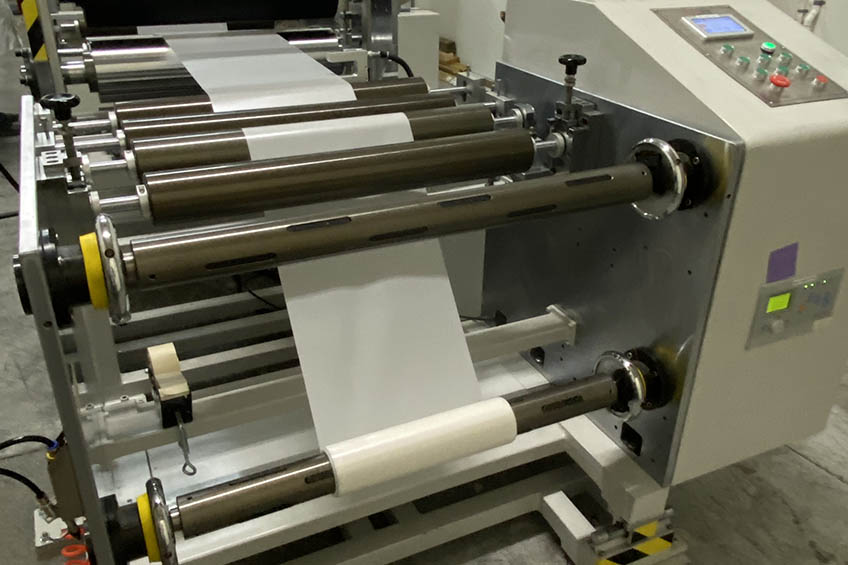
In today’s competitive manufacturing landscape, the pursuit of efficiency and productivity is paramount for companies aiming to maintain a competitive edge. One of the most innovative advancements in this area is the roll coating machine, a specialized piece of equipment designed to streamline the application of coatings, adhesives, and finishes across various substrates. By employing a combination of precision engineering and advanced technology, roll coating machines offer significant improvements in production efficiency, reducing waste, enhancing uniformity, and accelerating throughput. This article delves into the mechanics of roll coating machines, exploring how their design and functionality contribute to optimized manufacturing processes. We will examine the benefits of integrating these machines into production lines, including reduced labor costs, minimal downtime, and improved product quality. Furthermore, we will highlight case studies from various industries that have successfully implemented roll coating technology, showcasing tangible results in terms of efficiency gains and cost savings. As businesses continue to adapt to evolving market demands, understanding the role of roll coating machines in enhancing production efficiency is essential for manufacturers seeking to innovate and thrive in an ever-changing environment.
Enhanced Application Speed and Consistency
The implementation of advanced roll coating machines significantly boosts application speed, allowing for rapid processing without compromising quality. These machines utilize precise technology that ensures uniform coating across surfaces, reducing the likelihood of defects and the need for rework. This efficiency not only shortens production cycles but also optimizes resource usage, effectively lowering operational costs and increasing throughput.
Furthermore, the consistent application enabled by roll coating systems contributes to enhanced product reliability. By maintaining uniform thickness and eliminating variations in coating quality, manufacturers can achieve higher standards of finish, which is crucial in industries where product performance is directly linked to surface treatment. This reliable consistency fosters greater customer satisfaction, as clients receive products that meet or exceed their expectations, thereby enhancing the overall reputation of the manufacturer in a competitive market.
Roll coating machines ensure uniform coverage for faster production rates and quality results.
The ability to apply coatings evenly at a higher speed not only accelerates the production timeline but also ensures that each item meets stringent quality standards, which is vital in competitive markets. By integrating roll coating technology, businesses can streamline their operations, allowing for quicker turnarounds while maintaining the integrity of their products.
Additionally, the adaptability of roll coating machine to various materials and formulations allows manufacturers to be more versatile in their offerings. This flexibility facilitates the ability to cater to diverse market demands without sacrificing the efficiency gained through uniform application. As production processes evolve, the reliance on consistent and high-quality coatings becomes increasingly important, making roll coating an indispensable tool for achieving operational excellence and customer satisfaction.
Reduced Material Waste and Cost
Implementing roll coating technology leads to a significant decrease in material waste and associated costs, which are crucial factors in enhancing overall operational efficiency. The precision with which coatings are applied minimizes the excess material that would typically be lost during traditional application methods. By ensuring an even distribution across surfaces, manufacturers can maximize the utilization of their resources, thus lowering expenses related to raw materials and waste disposal.
Furthermore, as material costs continue to rise, the economic impact of reduced waste cannot be overstated. Companies can achieve substantial savings by optimizing their use of coatings, translating to lower production costs and improved profit margins. This efficiency not only positions businesses more competitively in the market but also promotes sustainable practices by minimizing the environmental footprint associated with excess material usage. The strategic adoption of roll coating technology ultimately supports not only financial objectives but also broader environmental goals.
Efficient material usage minimizes waste, leading to significant cost savings in production processes.
The careful management of material usage directly contributes to the optimization of production processes and cost efficiency. By adopting methodologies that prioritize precise material application, organizations can significantly minimize the volume of waste generated during manufacturing. This reduction in excess material not only curbs operational costs but also enhances the overall productivity of the process, allowing manufacturers to allocate resources more effectively and focus on high-value outputs.
Moreover, the financial implications of improved material efficiency extend beyond immediate cost savings. By decreasing waste, businesses not only reduce their expenditure on raw materials but also lower disposal costs and potential regulatory fees associated with waste management. This comprehensive approach to resource utilization supports a more sustainable operational model, fostering both economic and environmental benefits. As companies strive for greater efficiency and competitiveness, optimizing material usage emerges as a critical strategy for achieving long-term success.
Improved Surface Quality and Finish
The advancements in coating technology lead to significant enhancements in surface quality and finish, which are crucial for ensuring that final products meet stringent aesthetic and functional standards. A consistent application of coatings with a roll coating machine allows for a uniform distribution, resulting in a smoother surface that is free from imperfections such as drips, runs, or uneven textures. This precision not only elevates the visual appeal of products but also ensures better adhesion of subsequent layers or finishes, ultimately contributing to the longevity and durability of the item.
Additionally, the ability to achieve superior surface finishes can open new avenues for product development and innovation. Industries that rely on high-quality coatings, such as automotive, furniture, and electronics, benefit greatly from the enhanced performance characteristics of a well-finished surface. Improved surface finishes enhance not only the aesthetic value but also the functional properties, such as resistance to corrosion, wear, and environmental factors. This alignment of surface quality with performance requirements positions companies to not only meet customer expectations but also differentiate themselves in competitive markets.
Achieve superior surface finishes, enhancing product quality and customer satisfaction with roll coating technology.
The integration of roll coating technology directly influences product quality and customer satisfaction by delivering unmatched surface finishes that meet or exceed industry standards. This method ensures a high level of consistency and precision, allowing manufacturers to achieve fine details and intricate designs that appeal to consumers. By minimizing surface imperfections, roll coating fosters a more refined appearance, which plays a critical role in the overall perception of quality. As a result, products not only look more appealing on the shelf but also establish a stronger brand reputation among discerning customers.
Moreover, enhanced surface finishes contribute significantly to the functional performance of products by improving attributes such as corrosion resistance, ease of cleaning, and overall durability. As customers increasingly seek products that combine aesthetics with practicality, the capabilities of roll coating technology help manufacturers meet these evolving demands. By investing in advanced roll coating processes, companies can ensure that they are not only satisfying current market requirements but also paving the way for greater innovation and competitiveness in their respective industries.
In conclusion, the integration of a roll coating machine into production processes offers a multifaceted approach to enhancing efficiency and reducing waste. By streamlining application techniques and ensuring uniform coating across various substrates, these machines not only optimize resource utilization but also improve the overall quality of the final product. As industries continue to seek innovative solutions to meet rising demands, the adoption of roll coating technology stands as a testament to the evolution of manufacturing practices. Embracing such advancements will undoubtedly position companies to remain competitive in a dynamic market landscape while achieving sustainable growth.