
Discounts can drive short-term sales, but they rarely build lasting customer relationships. Over time, frequent price cuts train customers to wait for deals, squeezing margins and weakening brand value. For e-commerce brands aiming for sustainable growth, retention strategies that focus on experience, trust, and relevance are far more effective than constant promotions.
This article explores practical, non-discount methods e-commerce businesses can use to keep customers coming back.
Focus on a Seamless Post-Purchase Experience
Customer retention does not end at checkout. In many cases, it truly begins there. A smooth post-purchase experience reassures customers that they made the right decision.
Key areas to strengthen include:
-
Clear order confirmations and tracking updates
-
Accurate delivery timelines
-
Proactive communication if delays occur
-
Easy access to invoices and order history
When customers feel informed and supported after buying, they are more likely to trust the brand for future purchases.
Personalize the Customer Journey Beyond the First Sale
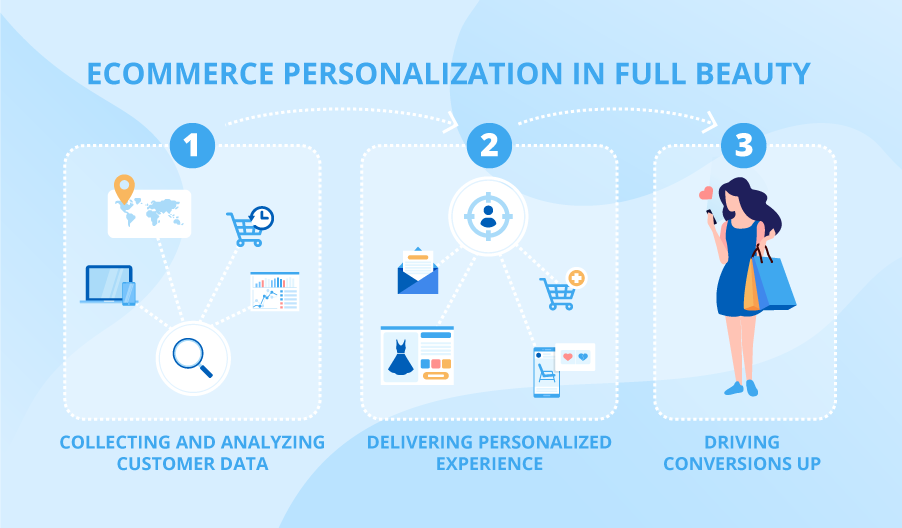
Personalization is often misunderstood as simply adding a customer’s name to an email. Effective personalization is driven by behavior and preferences.
E-commerce brands can improve retention by:
-
Recommending products based on browsing or purchase history
-
Sending replenishment reminders for consumable items
-
Highlighting content or products aligned with past interests
-
Customizing homepage experiences for returning users
When customers see relevant suggestions instead of generic messaging, they perceive real value in returning.
Invest in Customer Support That Solves Problems Quickly
Strong customer support plays a direct role in retention. Customers remember how issues are handled more than the issue itself.
To build loyalty through support:
-
Offer multiple contact options such as chat, email, or messaging
-
Reduce response times with clear internal processes
-
Empower support teams to resolve issues without excessive escalation
-
Follow up after resolutions to confirm satisfaction
A well-handled problem can turn a frustrated buyer into a loyal customer.
Build Trust Through Transparency and Consistency
Trust is a major factor in repeat purchases. E-commerce brands that communicate honestly tend to retain customers longer.
Ways to strengthen trust include:
-
Displaying accurate product descriptions and images
-
Showing verified customer reviews, including critical ones
-
Being upfront about shipping costs and return policies
-
Maintaining consistent branding and tone across channels
Consistency reduces uncertainty, making it easier for customers to choose your store again.
Create Value Through Content and Education
Retention improves when customers see a brand as helpful, not just transactional. Educational content can deepen engagement without lowering prices.
Effective content strategies include:
–How-to guides related to your products
-
Usage tips that improve product outcomes
-
Care instructions or maintenance advice
-
Industry insights relevant to your audience
Content that genuinely helps customers strengthens brand authority and keeps them connected beyond individual purchases.
Use Loyalty Programs That Reward Engagement, Not Just Spending
Loyalty programs do not have to revolve around discounts. Instead, they can reward meaningful interactions.
Examples include:
-
Points for writing reviews or sharing feedback
-
Early access to new products
-
Exclusive content or members-only features
-
Recognition tiers based on engagement, not only order value
These approaches encourage ongoing interaction while preserving pricing integrity.
Improve Retention Through Thoughtful Email and Messaging Strategies
Email and messaging remain powerful retention tools when used strategically. Overloading inboxes with promotions often leads to unsubscribes.
More effective approaches include:
-
Post-purchase follow-ups with helpful information
-
Product usage tips timed after delivery
-
Personalized restock or upgrade suggestions
-
Re-engagement messages triggered by inactivity
The goal is relevance and timing, not frequency.
Continuously Gather and Act on Customer Feedback
Customers are more likely to stay loyal when they feel heard. Feedback provides insight into friction points that may quietly hurt retention.
To make feedback actionable:
-
Use short, targeted surveys after key interactions
-
Monitor reviews and support conversations for patterns
-
Share feedback insights across teams
-
Communicate improvements back to customers when possible
Closing the feedback loop shows customers that their opinions matter.
FAQ
1. Why are discounts risky as a long-term retention strategy?
Discounts can reduce profit margins and condition customers to delay purchases until prices drop, weakening brand value over time.
2. How does personalization improve customer retention in e-commerce?
Personalization makes shopping experiences more relevant, helping customers find what they need faster and increasing satisfaction.
3. Can customer support really influence repeat purchases?
Yes, responsive and effective support builds trust and can turn negative experiences into positive brand impressions.
4. What role does content play in retaining e-commerce customers?
Educational content adds value beyond products, keeping customers engaged and positioning the brand as a reliable resource.
5. Are loyalty programs effective without discounts?
Loyalty programs focused on access, recognition, and engagement can strengthen emotional connections without lowering prices.
6. How often should e-commerce brands communicate with existing customers?
Communication should be driven by relevance and timing rather than a fixed schedule to avoid fatigue.
7. What is the simplest way to start improving customer retention today?
Review the post-purchase experience and ensure customers receive clear, timely, and helpful communication after every order.